- Sunrise Stat
- Posts
- 🌅 On the Importance of Fungi
🌅 On the Importance of Fungi

Sunrise Stat
April 06, 2026
Uncover the power of a single statistic: Sign up for Sunrise Stat to find your intellectual clarity.
SOURCE
WHAT TO KNOW
Fungi are one of Earth’s kingdoms of life, with diversity and complexity on par with animals and plants. Experts estimate there could be as many as 3 million fungal species on the planet (around 10x the estimated number of plant species), of which only about 157,000 (just over 6%) are known and just 1,000 have a conservation status, despite ongoing species decline.
WHY IT MATTERS
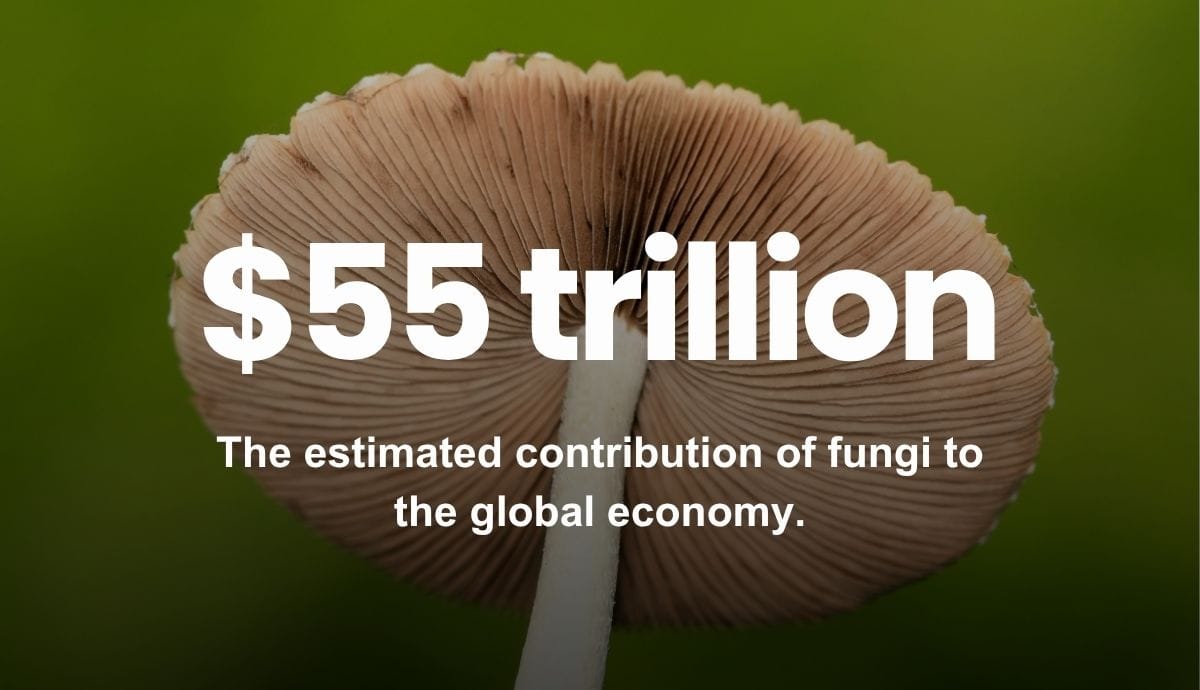
Every organism on Earth has a fungal component that sustains them in some way. In forests, fungi help drive nutrient cycling, promote biodiversity, and sequester vast amounts of carbon (experts estimate fungi sequester 13 billion tons of carbon dioxide in soil annually, equivalent to a third of the world’s fossil fuel emissions). In human culture, fungi serve as the basis of drugs like penicillin, immunosuppressants, and statins, as well as industrial products like fertilizers, colorants, and pesticides. They’re also crucial to human diets, both as a direct food source and in the production of things like fermented foods, cheese, beer, wine, and spirits. All told, fungi contribute an estimated $55 trillion to the global economy (the vast majority of the figure comes from the value of sequestered carbon traded on global markets).
CONNECT THE DOTS
In 2024, at the COP16 Biodiversity Conference in Colombia, the governments of Chile and the U.K. introduced the Fungal Conservation Pledge, calling on world leaders to recognize fungi on the same level as flora and fauna. The goal is to integrate fungi into global conservation strategies by highlighting the species’ key environmental, biological, and economic roles. Thirteen nations informally agreed to the pledge when it was introduced and the backers plan to put it up for formal adoption at COP17 in Armenia this fall.